Best Time to Plant Grass Seed in Northeast Ohio (Aug-Sept Window)
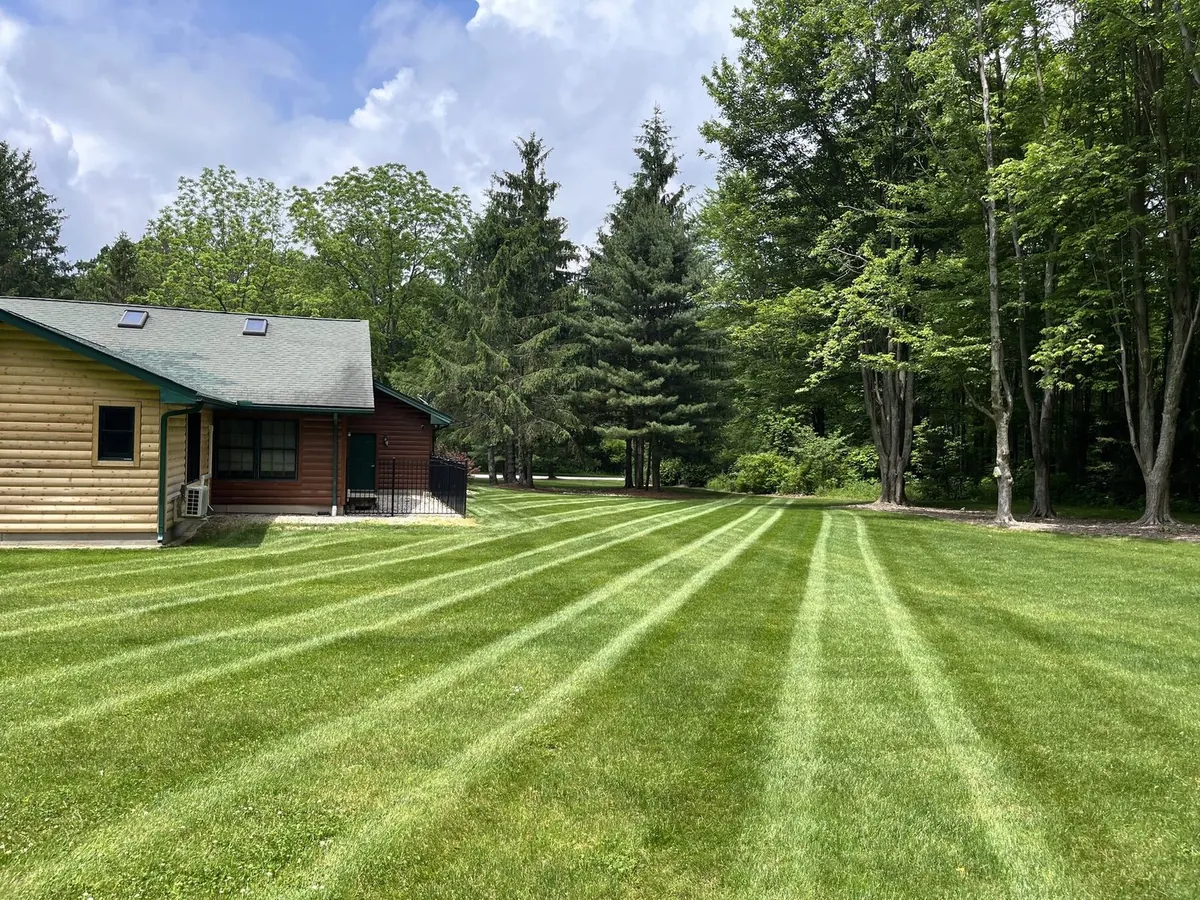
The best time to plant grass seed in Northeast Ohio is August 15 through September 30. Soil sits at 60-75 degrees, nights are cool, rain is reliable, and crabgrass pressure is gone. Cool-season grasses — Kentucky bluegrass, turf-type tall fescue, and perennial ryegrass — root in fast and harden off before winter. Spring seeding works only in April and only as a last resort. Late November dormant seeding is the fallback if you miss the fall window entirely.
If you've ever tried to thicken up a thin lawn in April and watched the whole thing fry out by July, you already know the answer to this one. I'm Nathan Meyer, owner of Eagle Scapes & Home Services right here in Aurora, and seeding timing is the single biggest factor between a lawn that thickens up in one season and a lawn that looks the same every year. We're in Zone 6a, cool-season grass country, and the calendar is unforgiving. This guide walks through exactly when to plant grass seed in Ohio, why fall beats spring every time, and what to do if you blew the window.
When is the best time to plant grass seed in Northeast Ohio?
The optimal seeding window in Northeast Ohio is August 15 through September 30. Soil temperatures sit between 60 and 75 degrees, air temps cool off at night, and late-summer rains keep new seed damp without you having to think about it. Crabgrass has stopped germinating, broadleaf weeds are slowing down, and your seedlings have 8 to 10 weeks of growing weather before the first hard freeze.
In my experience seeding lawns across Aurora, Bainbridge, and Chagrin Falls, the absolute sweet spot is the last week of August through the second week of September. By then the brutal August humidity has broken, daytime highs sit in the upper 70s, and nighttime lows drop into the 50s. That's exactly what cool-season grass wants. Soil temps measured at the 2-inch depth — not air temps — are what drive germination, and Northeast Ohio soils usually stay above 65 degrees through mid-October.
If you're seeding a brand new lawn from bare dirt, push toward the front end of that window so the grass has more time to mature. If you're overseeding into an existing lawn, the back end works fine because the existing turf gives the seedlings cover. Either way, get it down before October 1 if you can — anything later starts to roll the dice on cold soil killing germination before winter.
If your lawn needs more than just overseeding, our landscaping services page walks through full lawn renovation, soil prep, and the soil prep and seeding work we run in the August-September window.
Why does fall seeding work better than spring in Ohio?
Fall seeding wins because the four things grass seed needs — warm soil, cool air, reliable moisture, and no weed competition — all happen at once in late August and September. Spring offers warm soil eventually, but it shows up alongside crabgrass germination, May heat spikes, and pre-emergent herbicides that also kill grass seed. The math just doesn't work in spring.
Here's what's actually happening in the ground. Cool-season grasses germinate best when soil temperatures sit between 50 and 65 degrees and air temps are mild. In a Northeast Ohio fall, the soil holds residual warmth from summer while the air cools down — that's a Goldilocks combination. Roots grow aggressively in the 50-degree range, so even after the top growth slows in October, the seedling is still putting energy into a root system that will explode back to life in March.
Spring flips all of that. April soils are cold and slow to germinate. By the time things warm up in mid-May, crabgrass is germinating right next to your new bluegrass, but you can't put down crabgrass preventer without killing the seed too. Then June hits, soil temps cross 75 degrees, and any seedling without a real root system cooks. I've watched homeowners in Aurora drop $400 on seed in April and have nothing to show for it by July.
One more thing — fall rainfall is more reliable than spring in Geauga and Portage counties. We average roughly 3 inches of rain in September versus the boom-or-bust pattern in May. Reliable rain means less hand-watering, which means more seed actually survives. For the pre-emergent timing trade-off, see our guide on when to apply crabgrass preventer.
Which grass seed is best for Northeast Ohio lawns?
The three workhorse cool-season grasses for Northeast Ohio are Kentucky bluegrass, turf-type tall fescue, and perennial ryegrass. Most of the lawns we seed in Aurora and South Russell use a blend that's roughly 60 percent turf-type tall fescue, 25 percent Kentucky bluegrass, and 15 percent perennial ryegrass. That mix balances appearance, drought tolerance, and quick cover.
Each grass type pulls its weight differently:
- Kentucky bluegrass (KBG): The classic dark-green, fine-textured lawn. Slow to germinate at 14 to 30 days, but it spreads by rhizomes once established, so it fills in bare spots on its own. Best seeding rate is 2 to 3 pounds per 1,000 square feet. Loves sun, struggles in shade.
- Turf-type tall fescue (TTTF): The workhorse of modern Northeast Ohio lawns. Germinates in 7 to 14 days, tolerates drought, handles partial shade, and stays green deeper into a dry July than KBG. Seeding rate is 6 to 10 pounds per 1,000 square feet. Doesn't spread, so any bare spots stay bare until you reseed.
- Perennial ryegrass (PRG): The fastest cover grass — 5 to 10 days to germinate. Great as a nurse grass in a blend because it sprouts first and protects the slower seeds. Seeding rate is 4 to 7 pounds per 1,000 square feet on its own, less in a blend. Doesn't love deep shade and dies back hard in drought.
For most of our overseeding jobs in Aurora and Bainbridge, I use a quality TTTF/KBG/PRG blend from a turf supplier — not the bagged stuff from a big box store. The cheap bags carry annual ryegrass (different plant, dies the first winter) and weed seed. Spend the extra $25 on a 50-pound bag of certified seed. It's the cheapest part of the whole project.

What's the month-by-month seeding window for Ohio?
Every month of the year has a different rating for seeding in Northeast Ohio. The August 15 through September 30 window is the only stretch where everything lines up, and the rest of the year ranges from "good with a plan" to "you're throwing money in the yard." Here's how I think about it month by month for our climate.
| Month / Window | Rating | What's Happening |
|---|---|---|
| Mar - Apr | Risky | Only real spring window; conflicts with pre-emergent, soil still cold early |
| May | Bad | Heat building fast; crabgrass active; seedlings can't keep up |
| Jun - Jul | Very bad | Heat stress and drought kill young seedlings before establishment |
| Aug 15 - 31 | Best | Soil 60-70°F, cooler nights, late-summer rain begins |
| Sep 1 - 30 | Best | Prime window; reliable rain, no weed competition, ideal germ temps |
| Oct 1 - 15 | Good | Last call before frost slows things down too much |
| Oct 15 - Nov 15 | Risky | Germination too slow, seedlings can't harden off before freeze |
| Late Nov - Dec | Dormant seed | Lay seed after ground freezes; germinates with spring soil warmth |
If you genuinely missed the fall window, dormant seeding is the play. Wait until the ground has frozen solid — usually late November or early December in Aurora — and lay your seed directly onto the frozen surface. The freeze-thaw cycle will work the seed down into the soil over winter, and germination happens naturally when soil hits 50 degrees in late March. Results aren't quite as strong as August-September seeding, but they're way better than fighting spring weed pressure. For more on what to do around that timeframe, see our fall leaf cleanup guide.
What's the seeding-to-mowing timeline?
From seed-down to first mow takes roughly 4 to 6 weeks. You'll see perennial ryegrass pop in 5 to 10 days, tall fescue at 7 to 14, and Kentucky bluegrass at 14 to 30. First mow happens when the grass hits 3.5 to 4 inches tall — usually by mid-October on a late-August seeding. Cut at the highest setting your mower allows and never remove more than one-third of the blade.
The first 2 to 3 weeks after seeding are the make-or-break window, and watering is the whole game. New seed needs to stay damp 24/7. That means light watering 2 to 4 times a day, 5 to 10 minutes per zone, never letting the top inch of soil dry out. Skip a day in late August heat and you'll lose half your germination. This is why I tell clients in Aurora to either run irrigation timers or commit to a hose-dragging schedule before they even buy seed.
Once seedlings hit about 2 inches tall, you can taper watering to once a day. Once they hit mowing height, switch to deep watering 2 to 3 times a week — that drives roots down. Hold off on any herbicide until you've mowed the new lawn three times. Pre-emergent in particular will wipe out anything you just established.
For the spring follow-up routine after a fall seed, our spring lawn wake-up schedule walks through what to do in March and April to get that new grass off to a clean start. And if you're managing mowing and bed work alongside the new lawn, our property maintenance program bundles all of it onto one schedule.
When should you call a pro for overseeding or renovation?
Call a pro when your lawn is more than 30 percent thin or weedy, when you're dealing with hard compacted clay, or when you've tried DIY seeding twice and nothing took. The equipment matters too — a slit seeder or aerator/overseeder gives you 3 to 4 times the germination rate of broadcast seeding. Renting one for a weekend costs more than hiring a single overseeding visit.
For most Aurora and Chagrin Falls lawns I see, the right call is a combination service: core aeration plus overseeding, done in the same visit during the September window. That's roughly $350 to $750 depending on lot size. We're pulling 3-inch cores, breaking up Northeast Ohio's brutal clay, and dropping seed directly into the holes where it makes soil contact. Germination on that approach runs 80 percent or better.
Full lawn renovation — killing the existing lawn, prepping the soil, and starting from scratch — is a different beast. Budget $2,500 to $6,000 for a quarter-acre lot, and only consider it if more than half the lawn is weeds or dead patches. Anything less than that and an aggressive overseed will get you most of the way back in one or two seasons. For renovation jobs, soil testing first is non-negotiable, because Northeast Ohio clay often runs acidic and seedlings struggle until you lime it.
Either way, the seeding window doesn't move. Whether you DIY or hire it out, August 15 through September 30 is the date range that matters. Miss it and you're either dormant seeding in December or waiting a full year.
Want a thicker lawn this fall?
We book August-September overseeding across Aurora, Chagrin Falls, Bainbridge, South Russell, and Auburn. Free walk-through, honest recommendation.
Call (216) 516-7730 Request OnlineFrequently Asked Questions
When is the best time to plant grass seed in Northeast Ohio?
The best window to plant grass seed in Northeast Ohio is August 15 through September 30. Soil temperatures sit between 60 and 75 degrees, nights cool off, and rainfall is reliable. Cool-season grasses germinate fast and put down roots before winter. Aurora, Bainbridge, and Chagrin Falls lawns seeded in this window almost always outperform spring-seeded lawns.
Can you plant grass seed in spring in Ohio?
You can seed in April in Northeast Ohio, but it's the worst real option on the calendar. Spring seeding fights crabgrass pressure, conflicts with pre-emergent, and runs into June heat before young seedlings have any root depth. If you have to seed in spring, do it in early April, skip the pre-emergent, and plan to water aggressively into June.
What kind of grass seed should I plant in Northeast Ohio?
Northeast Ohio is cool-season grass country. The three workhorses are Kentucky bluegrass for that classic dark-green look, turf-type tall fescue for drought and shade tolerance, and perennial ryegrass for fast cover. Most of the lawns we seed in Aurora and Chagrin Falls use a blend that's 60 percent tall fescue, 25 percent Kentucky bluegrass, and 15 percent perennial ryegrass.
How long until new grass seed germinates in Ohio?
Perennial ryegrass germinates in 5 to 10 days, tall fescue in 7 to 14, and Kentucky bluegrass in 14 to 30. In a typical late-August Northeast Ohio seeding, you'll see ryegrass first, then fescue filling in, with bluegrass showing up last and continuing to thicken through October. Full establishment takes a season.
How often should I water new grass seed?
New seed needs to stay damp at all times for the first 2 to 3 weeks. That means light watering 2 to 4 times a day, usually 5 to 10 minutes each, never letting the top inch of soil dry out. Once seedlings hit 2 inches tall, taper to once a day, then to deep watering 2 to 3 times a week as roots establish.
What is dormant seeding and does it work in Northeast Ohio?
Dormant seeding means laying seed down in late November or early December after the ground is frozen, so it sits in place all winter and germinates with spring soil warmth. It's a real fallback for Aurora lawns that missed the fall window. Results aren't as strong as August-September seeding, but they beat trying to seed in May.
Should I aerate before overseeding in Northeast Ohio?
Yes. Core aeration before overseeding is the single biggest upgrade you can make. Pulling plugs opens the canopy, breaks up compacted Northeast Ohio clay, and gives seed direct soil contact. Aerate first, drop seed at the right rate, then water. The germination rate jumps from maybe 50 percent on a tossed-on overseed to 80 percent plus.